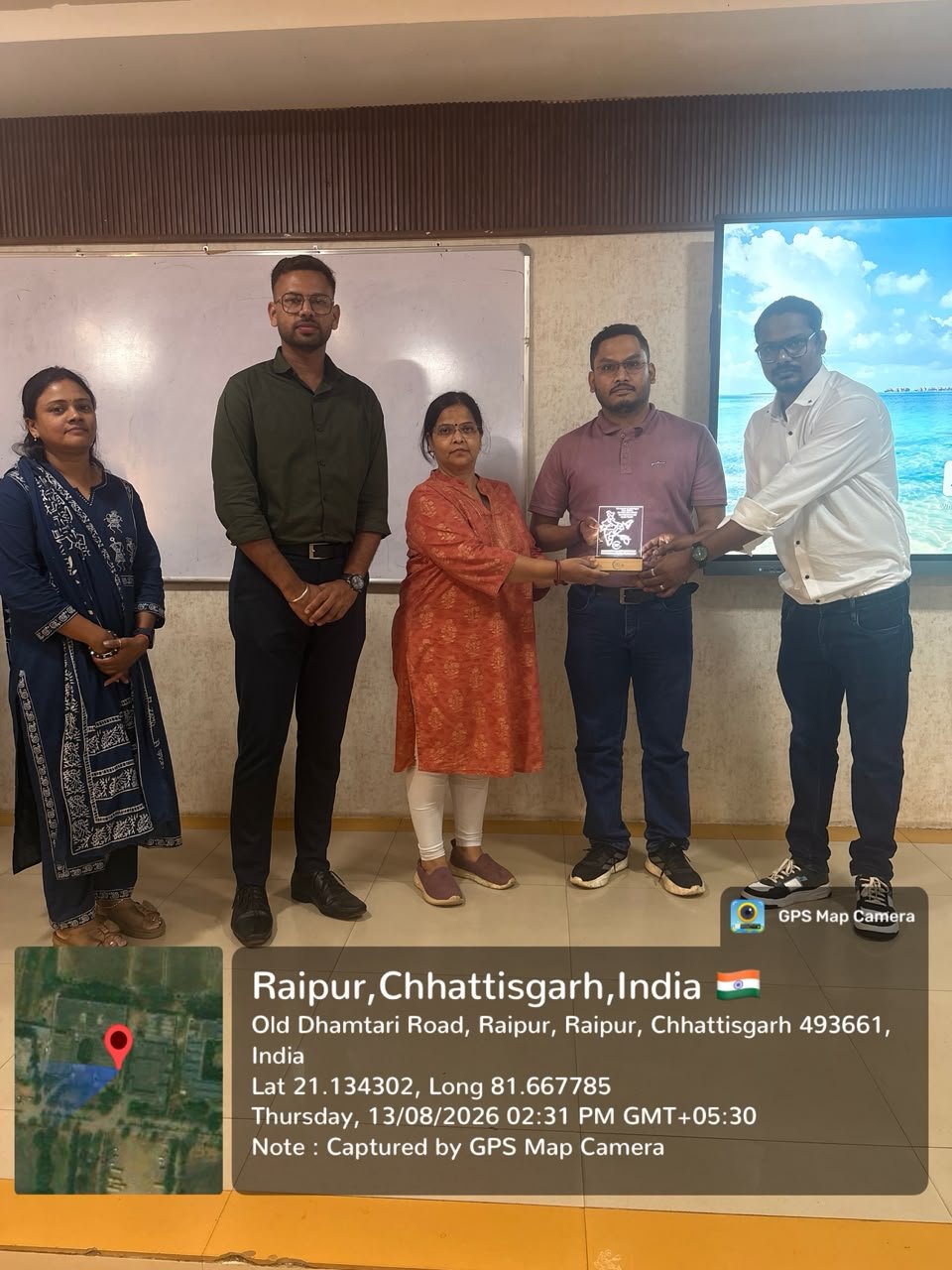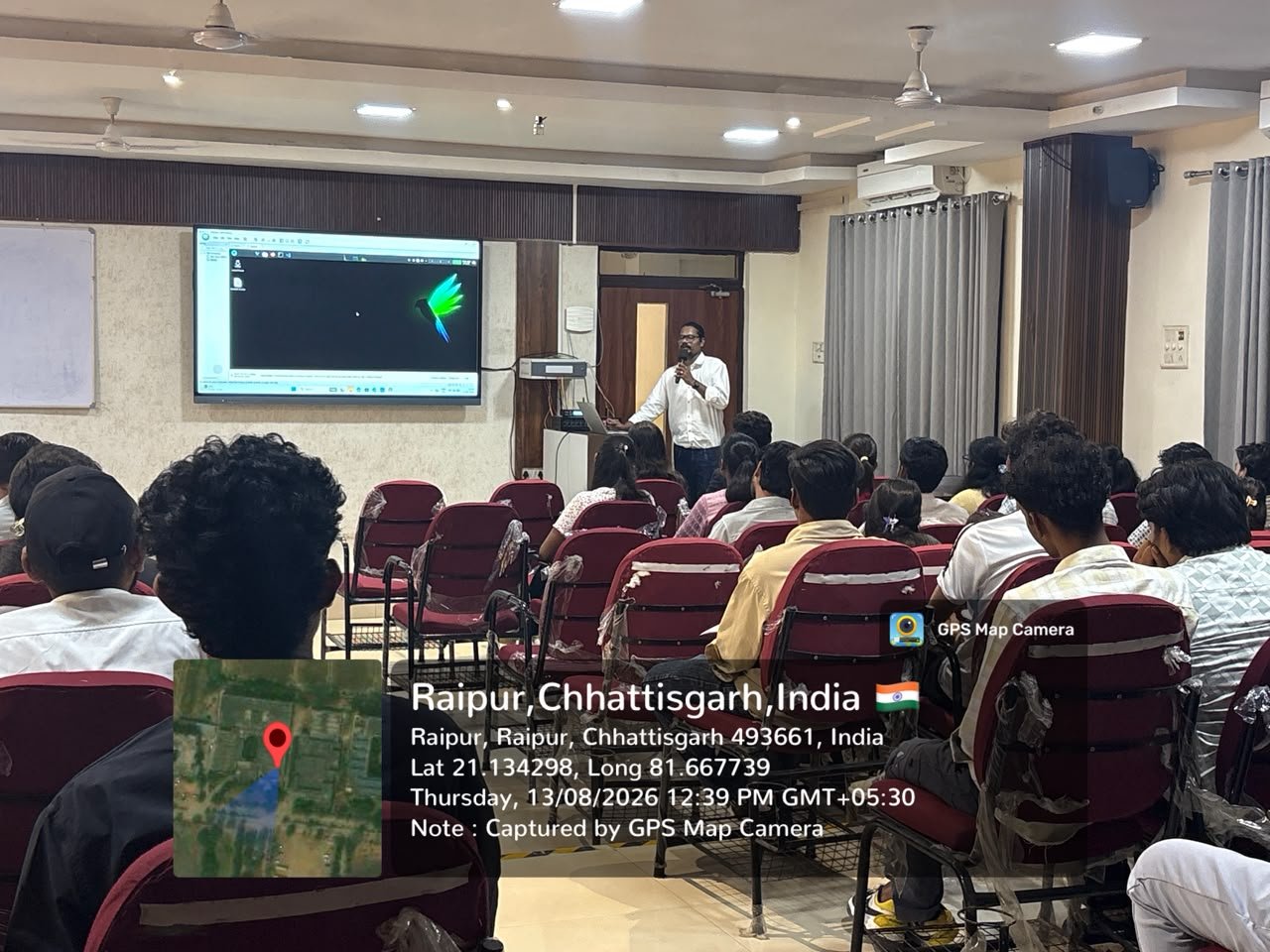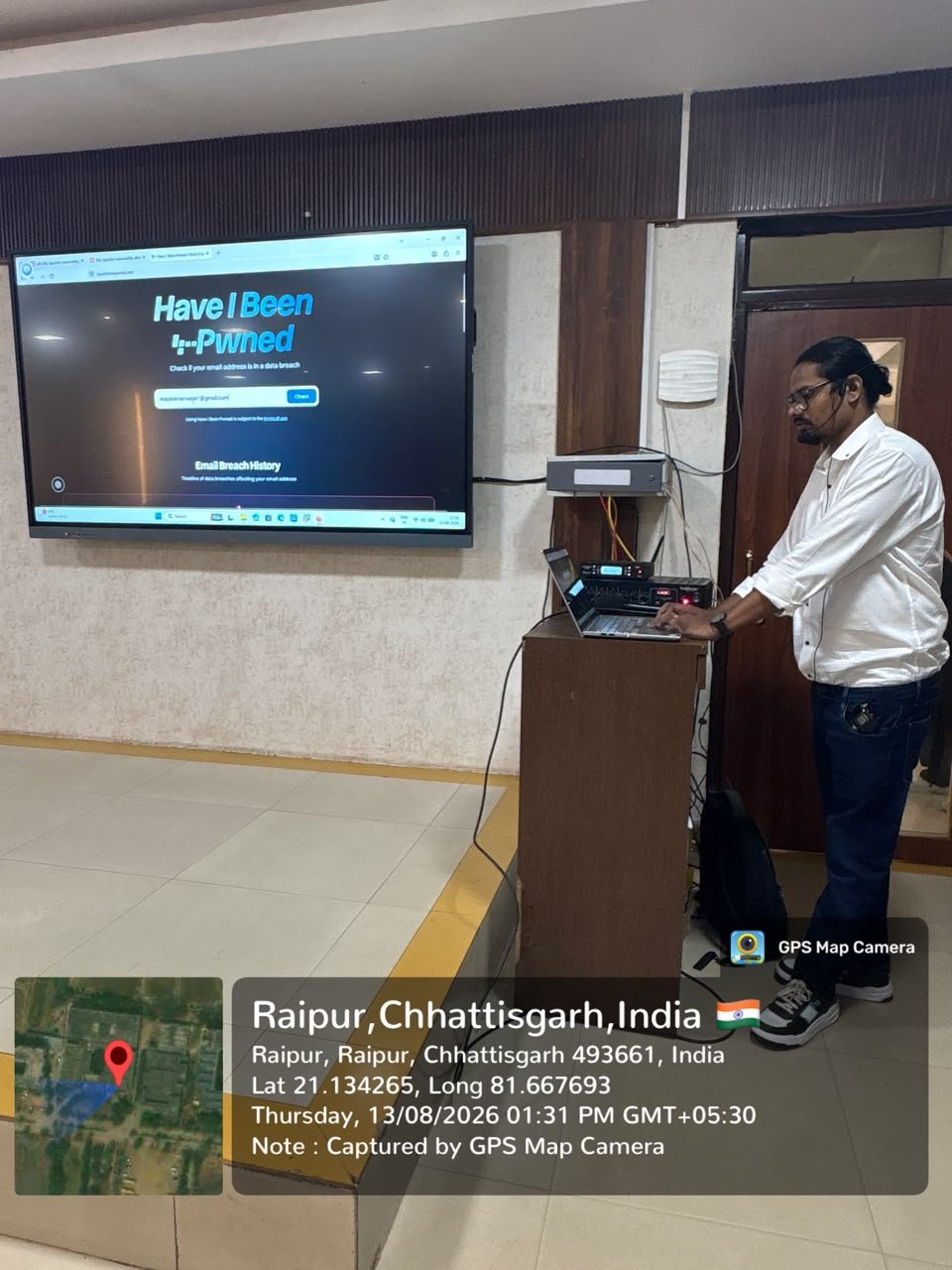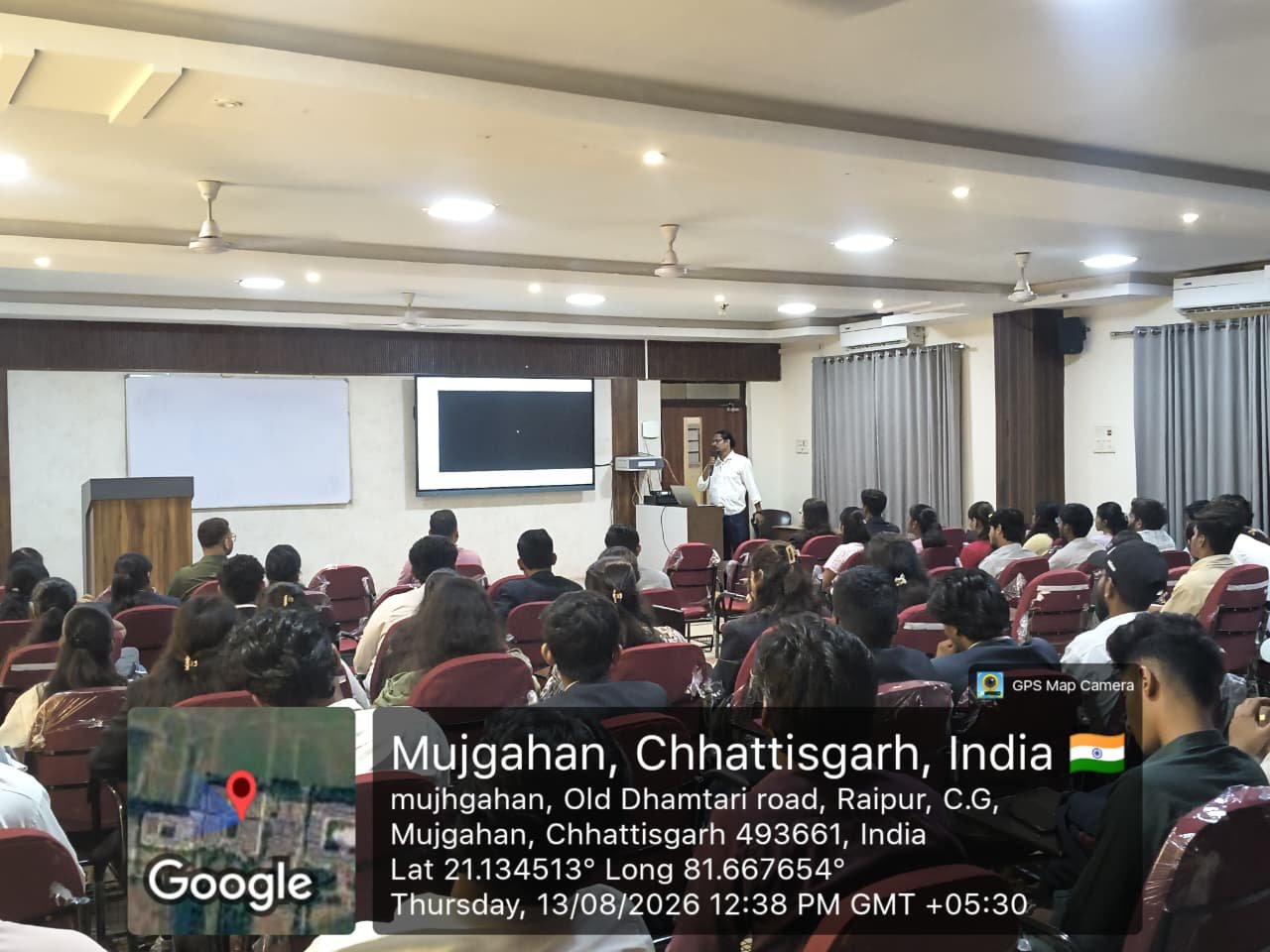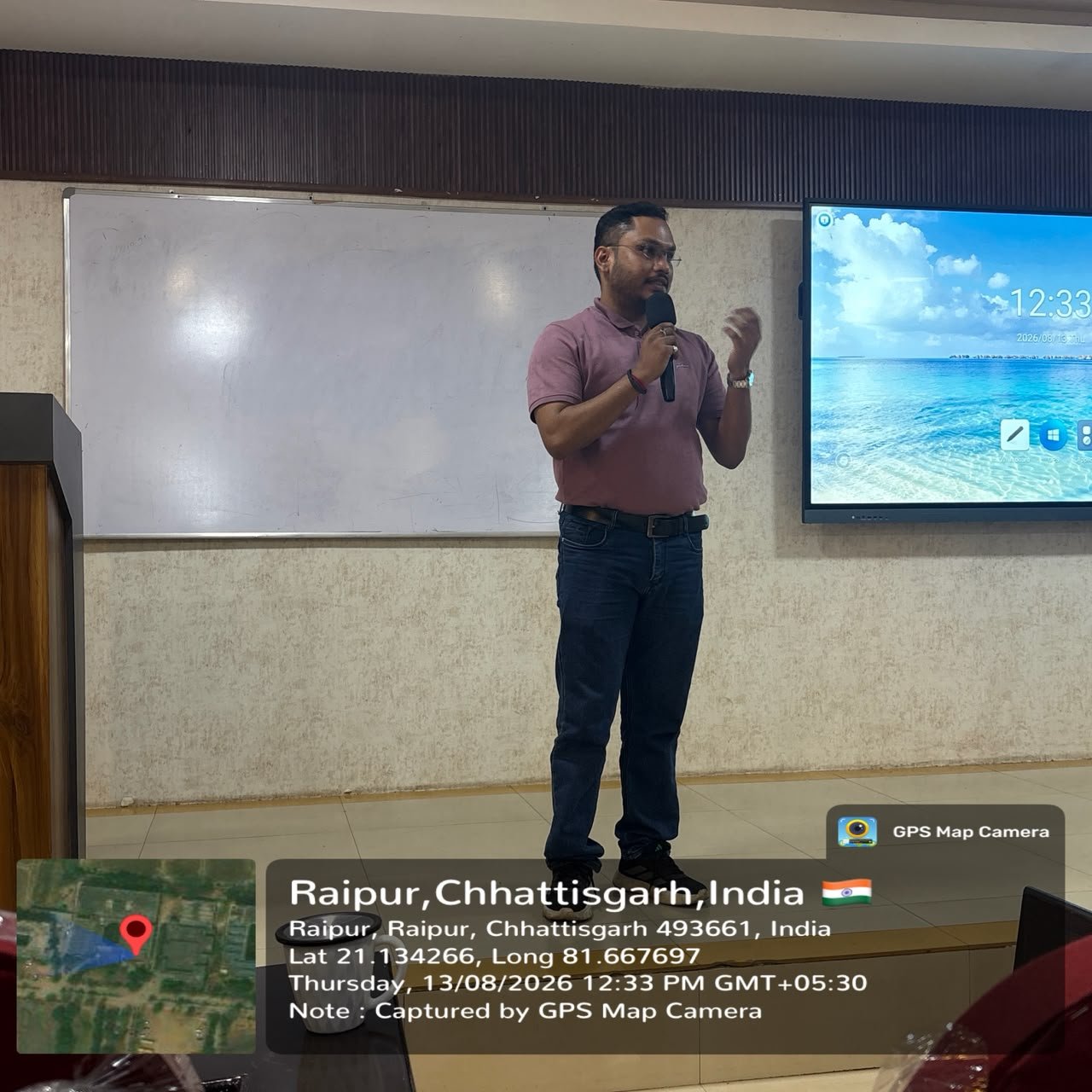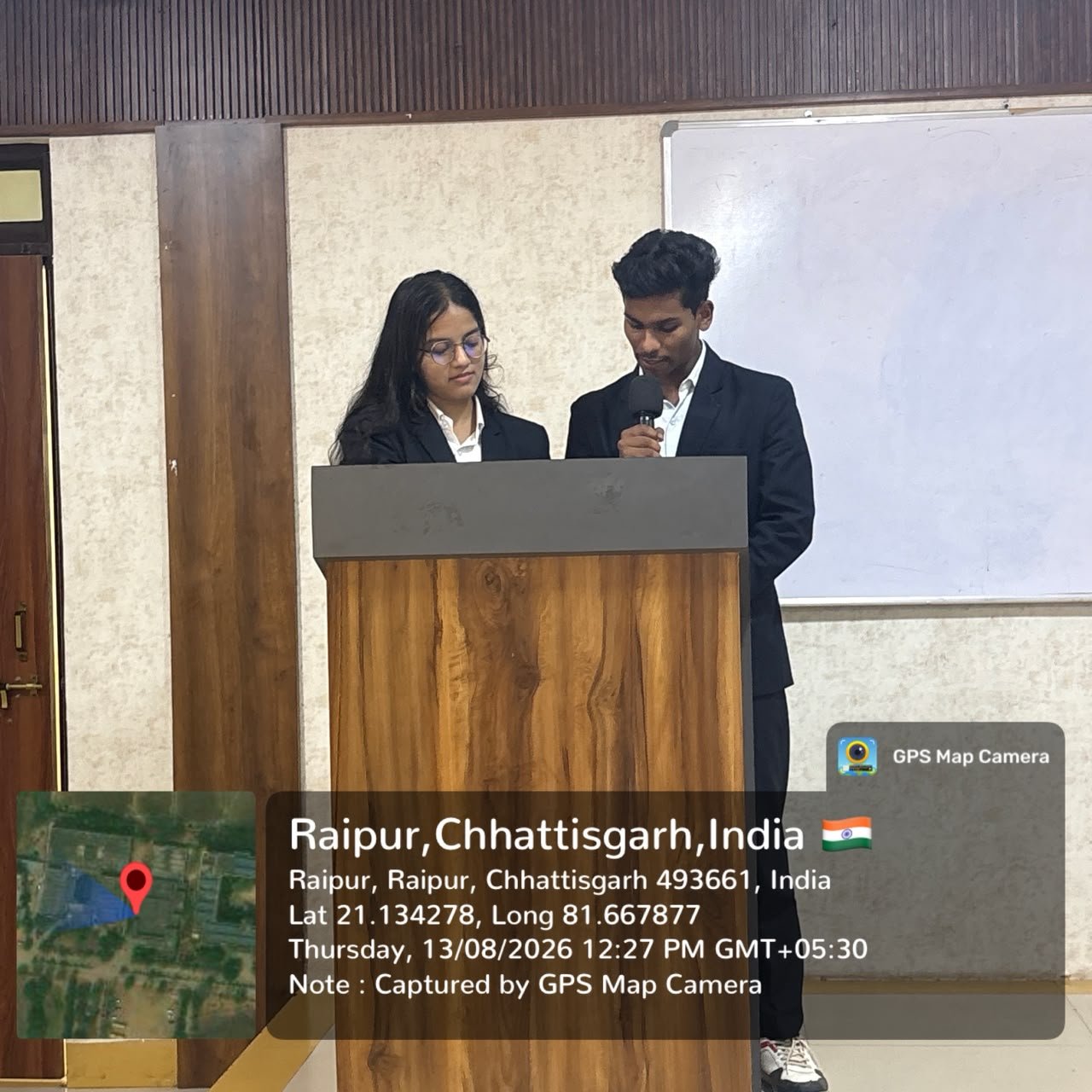

The Department of Science (Computer Science) at Shri Shankaracharya Institute of Professional Studies (SSIPS), Raipur, organized a guest lecture on “Ethical Hacking and Cyber Security” on 13 August 2026, in association with the Institution’s Innovation Council (IIC) and the Internal Quality Assurance Cell (IQAC).
The session was designed to bridge the gap between academic knowledge and industry practices by introducing students to the evolving landscape of cybersecurity, ethical hacking techniques, and the importance of responsible digital practices in today’s technology-driven world.
Expert Speakers
The guest lecture featured two distinguished industry professionals who shared their expertise and practical experiences with the students.
Mr. Saurabh Swarnakar – A technology consultant with over eight years of experience, Mr. Swarnakar is the Founder of IndiReady and Concave Media Ventures and Co-founder of Programmics. He shared valuable perspectives on technology consulting, digital innovation, and the significance of cybersecurity in modern technological ecosystems.
Mr. Mayank Narware – A cybersecurity researcher with over six years of experience, Mr. Narware is a Certified Ethical Hacker (CEH) and professional penetration tester. Having mentored more than 1,500 cybersecurity aspirants, he provided insights into ethical hacking practices, penetration testing, vulnerability identification, and the skills required to pursue a career in cybersecurity.
Key Highlights of the Session
The interactive session covered several important aspects of cybersecurity, including:
- Fundamentals of ethical hacking and information security.
- Understanding common cyber threats, vulnerabilities, and attack vectors.
- The role of penetration testing in identifying security weaknesses.
- Importance of data protection, privacy, and responsible internet usage.
- Emerging career opportunities in ethical hacking and cybersecurity.
- Essential technical skills and industry certifications for aspiring cybersecurity professionals.
- The importance of ethical responsibility in handling digital systems and sensitive information.
The speakers encouraged students to develop a practical understanding of cybersecurity concepts, continuously upgrade their technical skills, and explore professional opportunities in this rapidly evolving domain.
Learning Outcomes
The guest lecture provided students with valuable exposure to real-world cybersecurity practices and industry expectations. It helped them understand the importance of proactive security measures, ethical conduct in technology, and continuous learning in the field of information security.
The interaction also motivated students to explore specialized career paths such as ethical hacking, penetration testing, cybersecurity research, and information security analysis.
Conclusion
The guest lecture on Ethical Hacking and Cyber Security was a meaningful academic initiative that reinforced the Department’s commitment to experiential learning, industry interaction, and skill development. The session successfully connected theoretical concepts with practical industry perspectives, encouraging students to become responsible, skilled, and security-conscious technology professionals.
The Department of Science (Computer Science), SSIPS, extends its sincere gratitude to the distinguished speakers for sharing their knowledge and inspiring the students through their professional experiences.